
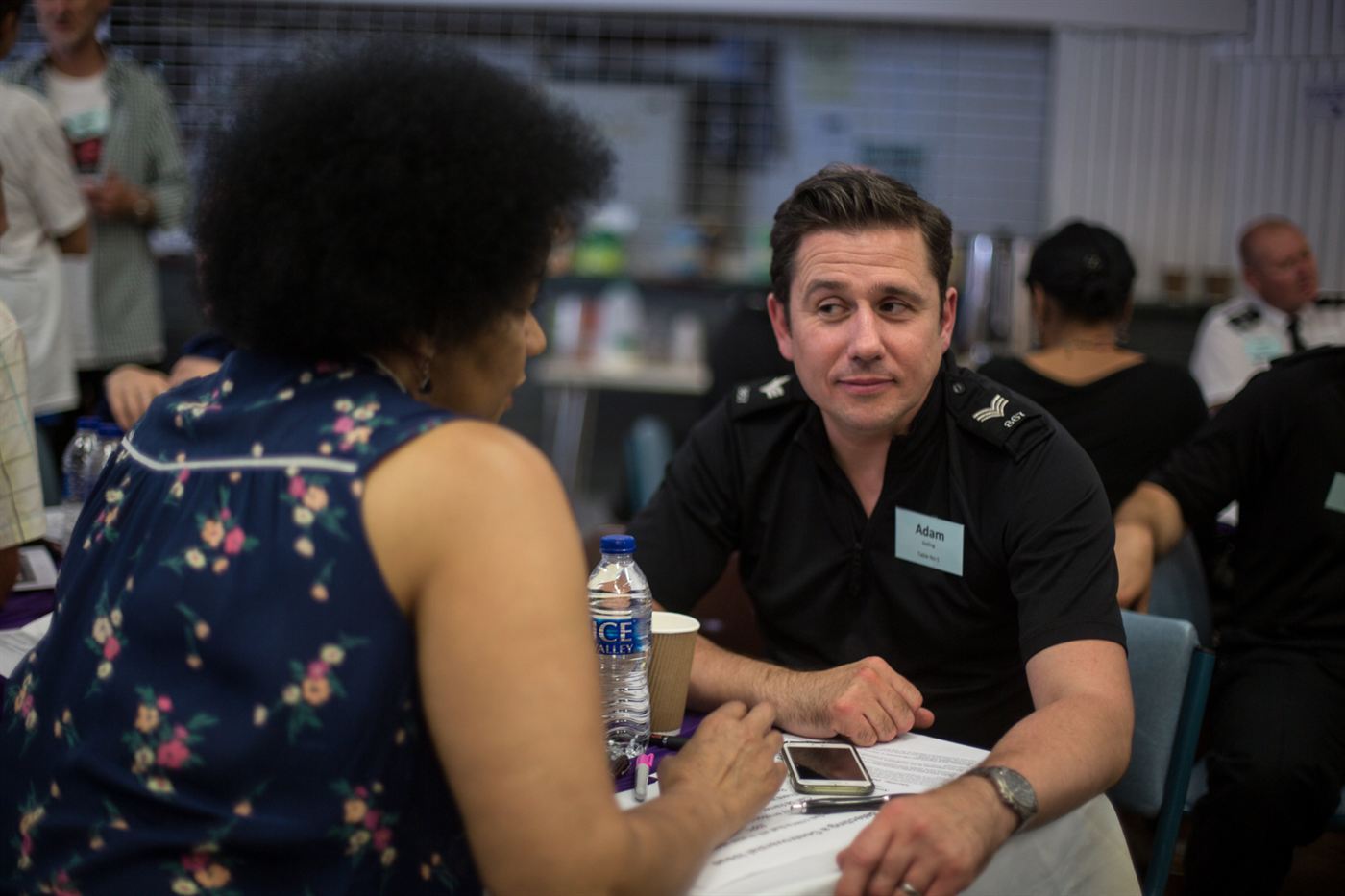
Strategies are written in documents, but they succeed or fail in conversations. Whether a restructure lands well, whether a new team gels, whether a commitment to equity becomes real: all of it depends on what people say to each other, and what they leave unsaid.
That is why we believe better conversations are one of the most practical tools any organisation has for change.
Why ordinary conversations are not enough
Most workplace conversations are designed for speed. We share updates, make decisions and move on. That works well for routine tasks, but it breaks down when the subject is personal, emotional or contested.
In those moments, people tend to fall into familiar patterns. Some argue to win. Some withdraw. Some agree in the room and disagree in the corridor afterwards. None of these patterns build understanding.
What structured dialogue offers
Structured dialogue is a deliberate way of talking about difficult or important issues. It slows the conversation down just enough for people to actually hear each other. Typically it involves:
- Clear agreements about how the group will talk and listen, set before the conversation begins.
- Space for personal stories, because people are far more likely to understand a view when they understand the experience behind it.
- Listening to understand rather than to respond, often by reflecting back what was heard before replying.
- Skilled facilitation that keeps the conversation safe, fair and focused.
The aim is not for everyone to agree. The aim is for people to understand each other well enough to work together, even when they continue to see things differently.
From conversation to change
When structured dialogue is done well, it changes more than the conversation itself. Teams often find that:
- Tensions that had been simmering for months can finally be named and addressed.
- Decisions improve, because a wider range of perspectives has been genuinely considered.
- Trust grows, because people have experienced being heard on something that matters to them.
- Commitments become behaviours, because people understand the reasons behind them.
Starting small
You do not need a full programme to begin. Leaders can introduce elements of structured dialogue into everyday team life: agreeing how the team will handle disagreement, opening meetings with a question that invites personal perspective, or simply pausing to summarise what someone has said before responding.
Small changes in how people talk can lead to large changes in how they work together.
Structured dialogue sits at the heart of NCBI Training’s approach. Our facilitators have spent many years helping individuals, communities and organisations have the conversations that create stronger cultures. Better conversations really do build stronger organisations.