Undoing racism in the charity sector.
MIND in Tower Hamlets and Newham (MITHM) was responding to the wider challenge of structural racism within the charity sector, as highlighted by the 2020 Voice4Change and ACEVO report Home Truths.
The report identified systemic and individual barriers faced by Black staff, alongside a sector-wide failure to embed race equity into organisational practice. In response, the organisation recognised the need for leadership accountability, stronger anti-racist policies, and collective action with partners, funders and regulators to dismantle structural racism and improve diversity, equity and inclusion across the sector. An ultimate objective was to bring the work and relationships closer to clients in the community.
MITHM recognised that becoming an anti-racist organisation required more than a statement of intent. The organisation had committed to centring the experiences, insight and skills of Black colleagues, as well as Black-led and Black-focused organisations, in shaping its response to racism and inequality. This commitment also meant prioritising funding and support for those with lived experience and specialist expertise to help guide the work in a meaningful and accountable way.
NCBI were called in because MITHM wanted structured, skilled support to turn this commitment into practical organisational change. MITHM needed NCBI’s external expertise to support trustees, senior leaders and staff to develop a shared understanding of racism, power and responsibility, strengthen accountability, and identify concrete actions to embed anti-racism into culture, decision-making, policies, practice and service delivery. NCBI’s experience in anti-racism, equality, diversity and inclusion made us well placed to support the organisation’s ambition to become fully anti-racist.
The scale and make-up of the organisation also meant that change needed to involve the whole system. NCBI were therefore asked to support developmental work across all levels of the organisation, helping to build a shared understanding of racism, power, identity and organisational responsibility.
In 2020, NCBI delivered Equality, Diversity and Unconscious Bias training for MITHM, designed to support the organisation’s wider journey towards becoming anti-racist.
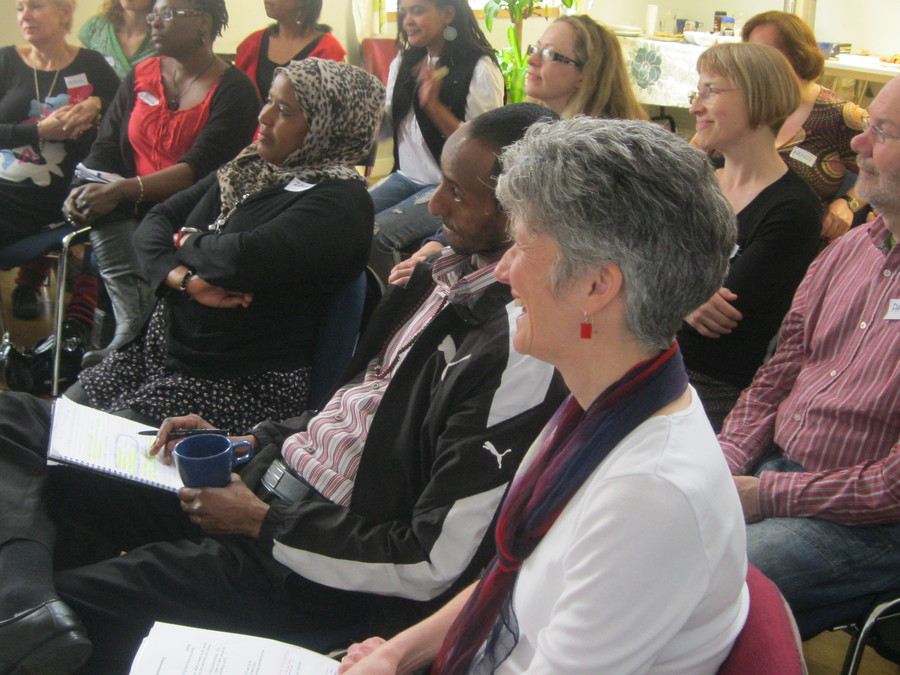
The programme included one-day workshops with mixed staff groups, creating space for shared learning, honest reflection and a stronger understanding of experiences across the organisation. The workshops:
NCBI also facilitated strategic planning meetings to help MITHM identify clear actions, agree collective ownership, assign delivery leads and set realistic timescales on becoming an anti-racist organisation. Trustees, senior leaders and staff began to define the key principles, behaviours and organisational commitments needed to embed anti-racism in MITHM’s culture, practice and decision-making. These were delivered alongside an organisation-wide 100 days challenge that every member of staff undertook.
NCBI’s work helped MITHM turn its anti-racist commitments into practical action by building shared understanding, confidence and accountability across the organisation. The programme strengthened awareness of racism, bias and exclusion, supported more open conversations, and helped staff and leaders take greater responsibility for challenging oppressive behaviours.
It also enabled MITHM to identify practical steps for becoming more inclusive, locally responsive and equitable in how it works with diverse communities. Clients became closer to the organisation and no longer saw barriers to accessing services.
In 2021, MITHM was supported to develop a clearer strategy for becoming an anti-racist organisation. This provided a more formal structure for the work and helped translate learning from the programme into organisational commitments with priorities and timelines:
The resulting commitment positioned anti-racism as central to how MITHM would operate. It set an expectation that anti-racist practice would shape the organisation’s culture, values, structure, decision-making, services, partnerships, campaigns and the way staff approached their roles.
Tell us what your organisation is navigating and we can explore the right strategic intervention or sustained programme.